Physical Address
304 North Cardinal St.
Dorchester Center, MA 02124
Physical Address
304 North Cardinal St.
Dorchester Center, MA 02124

Cognitive bias plays a significant part in how players approach gambling in casinos. Many individuals have an inherent tendency to believe they can outsmart probability, often leading to a phenomenon known as the “gambler’s fallacy.” This fallacy occurs when players expect that previous outcomes will influence future results, such as believing that a slot machine that hasn’t paid out recently is “due” for a win. Interestingly, in the current landscape, the rise of bitcoin casinos usa showcases how some players assume new technology can improve their success rates. This mindset can lead to irrational betting behaviors, ultimately impacting their chances of success.
Additionally, confirmation bias compels gamblers to focus on their wins while ignoring their losses. This selective memory reinforces the idea that they have a strong understanding of games, boosting their confidence and encouraging continuous play. Understanding these cognitive biases is essential for gamblers to develop a healthier relationship with gaming and to enhance their decision-making processes.
Emotions significantly influence how individuals behave in a casino environment. The thrill of winning can lead players to make impulsive decisions, betting larger sums than they originally intended. The excitement experienced can produce a psychological rush, making it difficult for players to walk away from games. This emotional high can cloud judgment and often contributes to setting unrealistic expectations regarding wins and losses.
Conversely, negative emotions such as frustration or disappointment can lead to “chasing losses.” When players experience a string of losses, they might increase their wager amounts in an attempt to regain their lost funds. This emotional roller coaster not only affects their gameplay but can also induce stress, which might further deteriorate their ability to make rational decisions.
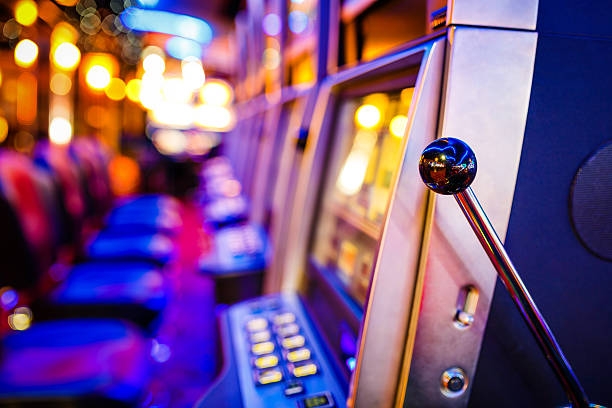
The casino environment is meticulously designed to create a specific atmosphere that encourages prolonged play. Factors such as lighting, sounds, and even the layout of the gaming floor are optimized to keep players engaged. For instance, the use of bright lights and stimulating sounds can create a euphoric feeling, making it difficult for players to detach from their current game.
Moreover, casinos often provide complimentary drinks and rewards programs that can insidiously alter a player’s perception of their spending. The more time spent in this carefully crafted environment, the more detached players may become from their financial realities, resulting in poor decision-making that can lead to significant losses.
While no method guarantees a win, employing strategic thinking can improve a player’s odds in a casino. Many successful gamblers approach their games with a calculated mindset, analyzing probabilities and risk versus reward before placing their bets. This analytical approach can mitigate some emotional influences, allowing players to make more informed decisions.
Additionally, understanding the rules of specific games and practicing them in a low-stakes environment can build confidence and skill. Knowledge about when to walk away, setting strict budgets, and recognizing signs of cognitive bias can contribute to a more successful and enjoyable gambling experience.
Welcome to our digital platform dedicated to providing insightful information on various topics, including the psychology of gambling. We aim to foster understanding and promote responsible gaming practices among our users. Our commitment is to offer engaging content that helps readers navigate the complexities of gambling while enjoying a safe and informative online experience.
Your engagement is essential, and we encourage you to explore the various sections of our site. Our team is here to support you in uncovering valuable insights that enhance your knowledge and improve your overall gambling experiences. XTrader
